© Jüdisches Museum Frankfurt, Norbert Miguletz

Jewish Culture

Museums, educational institutions and more

Frankfurt is a centrepiece of Jewish life in Germany. Since the Middle Ages, the presence and influence of Jewish communities in Frankfurt has been palpable. From historical sites such as the Old Jewish Cemetery and the West End Synagogue to the modern Jewish Museum, the city tells stories of challenges, achievements and the deep roots of Jewish traditions.

Today's Jewish Frankfurt pulsates with life and diversity. Cultural events, educational programmes and festivals invite visitors to discover the vibrant local Jewish culture. These encounters not only offer insights into a rich history, but also promote dialogue and understanding between cultures and religions.

An exploration of Jewish Frankfurt promises to be an enriching journey into a world full of tradition, resilience and creativity. Be inspired by the past and present of Jewish life in Frankfurt and discover the many facets of this unique culture.

  • Open detail page 'Jewish Museum Frankfurt'
    © #visitfrankfurt_plazy_Isabela_Pacini | CC-BY-SA
    Tip Jewish Museum Frankfurt
    Special Museum
    Bertha-Pappenheim-Platz 1, 60311 Frankfurt am Main
  • Open detail page 'Museum Judengasse'
    © Jüdisches Museum
    Tip Museum Judengasse
    Special Museum
    Battonnstraße 47, 60311 Frankfurt am Main
  • Open detail page 'Bildungsstätte Anne Frank e.V.'
    © Bildungsstätte Anne Frank e.V., Felix Schmitt
    Bildungsstätte Anne Frank e.V.
    Special Museum
    Hansaallee 150, 60320 Frankfurt am Main
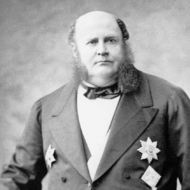
Baron Mayer Carl von Rothschild, elderly gentleman with bald head, full whiskers and festive suit, adorned with medals, 19th century.
© Jüdisches Museum Frankfurt
"When someone builds a home, it means they want to stay."
Salomon Korn

Frankfurt Jews

A selection of well-known personalities

Old Jewish Cemetery

Battonnstraße and Rat-Beil-Straße

The two historic Jewish cemeteries in Frankfurt offer an impressive insight into over 700 years of Jewish history. 
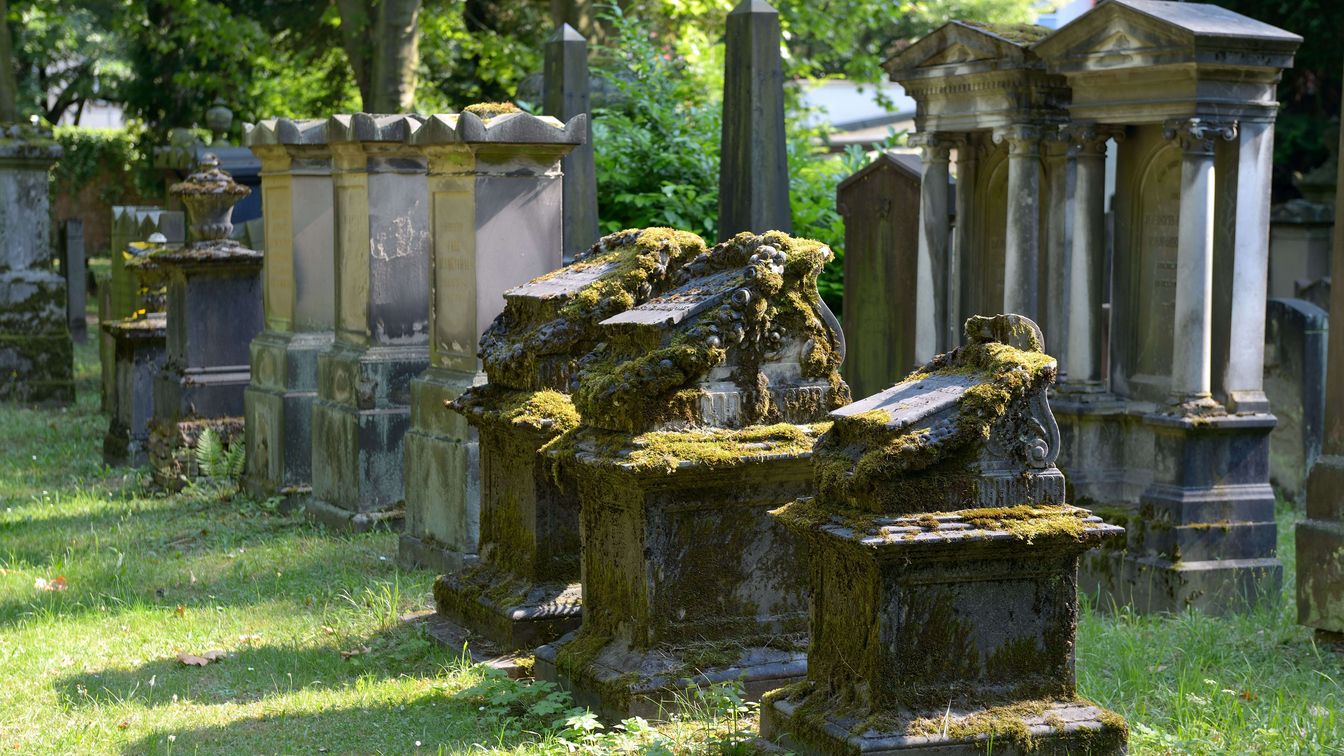
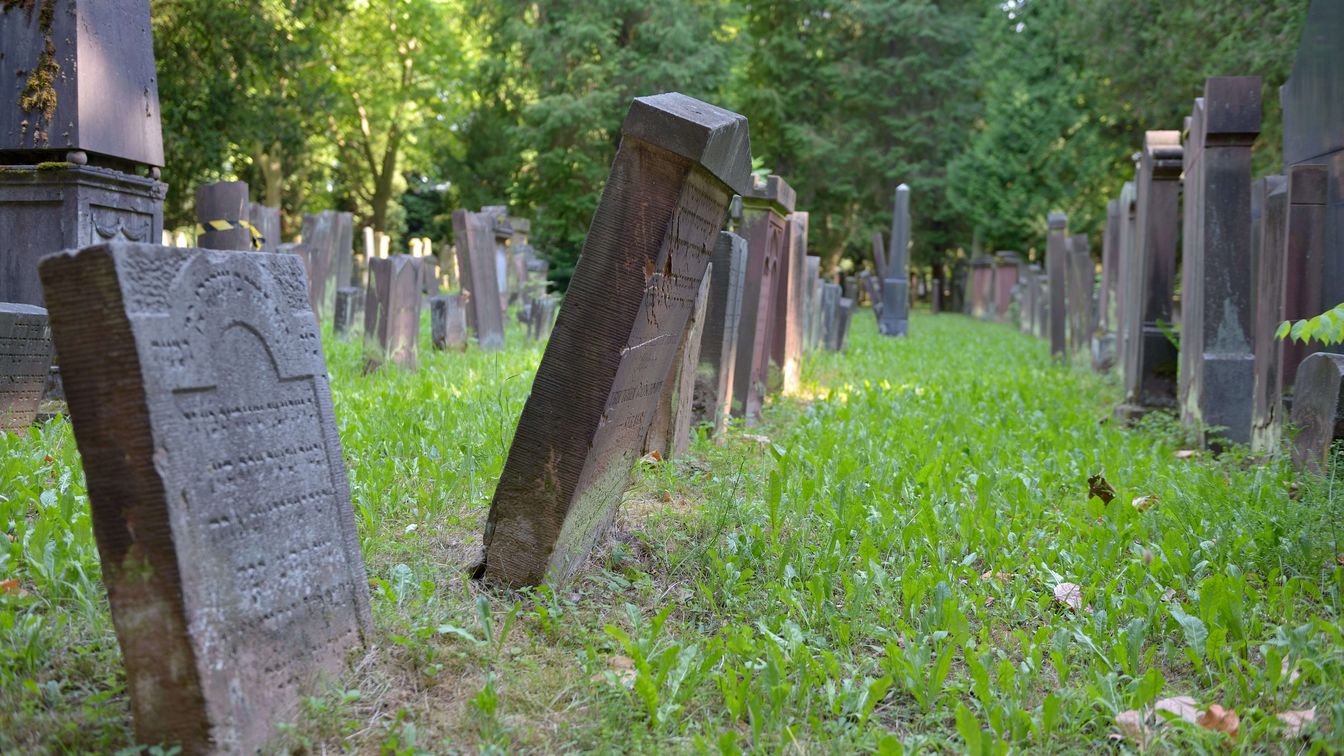
The Old Jewish Cemetery on Battonnstraße is one of the oldest preserved Jewish cemeteries north of the Alps. Here you will find gravestones from the Middle Ages and traces of a centuries-old Jewish community – a quiet place of remembrance in the middle of the city center, close to the Judengasse Museum and the Neuer Börneplatz memorial site.

With the growth of the city in the 19th century, the Old Jewish Cemetery on Rat-Beil-Straße was established, which served as the central burial site until 1928. The park-like grounds with historic trees and numerous gravesites of important Frankfurt personalities are now a protected cultural monument and a special place to pause and reflect.

Both cemeteries are open to visitors under certain conditions – please note the respective visiting regulations.

New Jewish Cemetery

The New Jewish Cemetery on Eckenheimer Landstraße was opened in the late 1920s and remains the central burial site for Frankfurt's Jewish community to this day. It borders the Main Cemetery and continues to be actively used.

As you stroll through the extensive grounds, you can feel the connection between past and present: historic graves, modern burial grounds, and memorial sites lie side by side here. The cemetery wall also commemorates the city's destroyed synagogues, making the site an important testimony to Jewish history and remembrance culture.

The cemetery is open to visitors, subject to religious rules.


Jewish memorials

Monuments, memorials, memorial steles, stumbling blocks

Throughout the city, you will find places of remembrance that bring Frankfurt's Jewish history to life and tell the stories of people who shaped this city. Memorials, monuments, stumbling stones, and commemorative signs invite you to pause, reflect, and discover the past in today's cityscape.
They commemorate the diversity of Jewish life and outstanding personalities – but also the persecution, expulsion, and destruction of Jewish communities under National Socialism. 
Frankfurt is thus sending a visible signal for a culture of remembrance, dialogue, and responsibility.

  • Open detail page '"The stumbling blocks"'
    Two Stolpersteine with roses on pavement
    © #visitfrankfurt , Jessica Jaekel-Badouin
    "The stumbling blocks"
    Monument
    Kronberger Straße 47, 60323 Frankfurt am Main
  • Open detail page 'Campus Westend / Poelzig-Bau'
    © #visitfrankfurt, plazy, Isabela Pacini | CC-BY-SA
    Campus Westend / Poelzig-Bau
    College Or University
    Norbert-Wollheim-Platz 1, 60323 Frankfurt am Main
  • Open detail page 'Ettingausenplatz / The Virtual Synagogue of Höchst'
    © #visitfrankfurt, Henrike Teßmer
    Ettingausenplatz / The Virtual Synagogue of Höchst
    Monument
    Justinuskirchstraße 1, 65929 Frankfurt am Main
  • Open detail page 'Memorial Site Börneplatz '
    © #visitfrankfurt
    Memorial Site Börneplatz
    Monument
    Neuer Börneplatz, 60311 Frankfurt am Main
  • Open detail page 'Memorial at the Großmarkthalle'
    © #visitfrankfurt
    Memorial at the Großmarkthalle
    Monument
    Philipp-Holzmann-Weg, 60314 Frankfurt am Main
  • Open detail page 'Memorial stele at the main cemetery'
    © Stadt Frankfurt, Salome Roessler
    Memorial stele at the main cemetery
    Cemetery/Historic Cemetery
    Eckenheimer Landstraße 194, 60320 Frankfurt am Main
  • Open detail page 'Paul Arnsberg memorial stele'
    © #visitfrankfurt
    Paul Arnsberg memorial stele
    Monument
    Paul-Arnsberg-Platz, 60314 Frankfurt am Main
  • Open detail page 'The Former Residence of Oskar Schindler (1908-1974), Am Hauptbahnhof 4'
    © #visitfrankfurt, Jessica Jaekel-Badouin
    The Former Residence of Oskar Schindler (1908-1974), Am Hauptbahnhof 4
    Monument
    Am Hauptbahnhof 4, 60329 Frankfurt am Main
  • Open detail page 'The Former Synagogue at Friedberger Anlage - A Place of Remembrance'
    © #visitfrankfurt, Jessica Jaekel-Badouin | CC-BY-NC-SA
    The Former Synagogue at Friedberger Anlage - A Place of Remembrance
    Monument
    Friedberger Anlage 5-6, 60314 Frankfurt am Main

Judaism in Frankfurt today

Experience the Jewish community

Westend Synagogue in Frankfurt under a bright blue sky.
© #visitfrankfurt, Holger Ullmann

Westend Synagogue

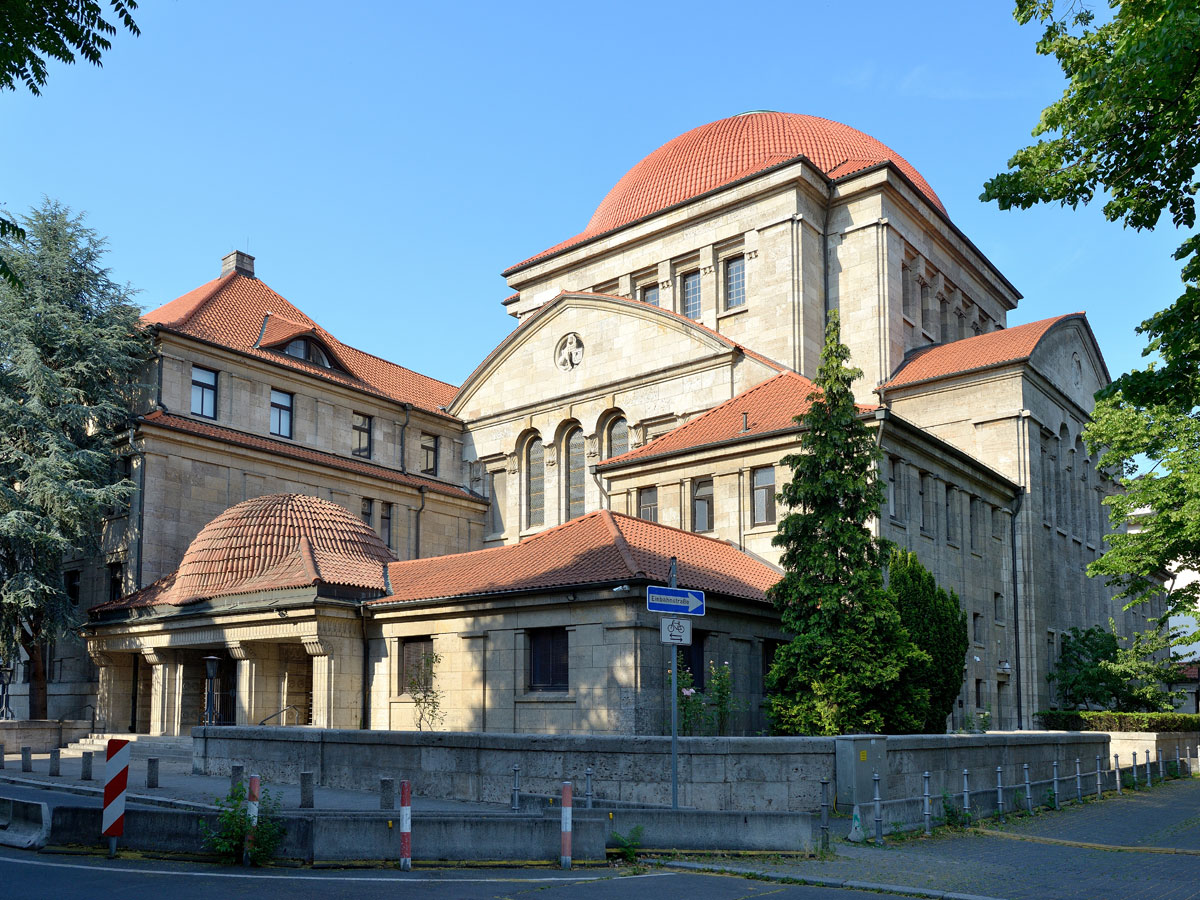
The synagogue on Freiherr-vom-Stein-Straße, which was built between 1908 and 1910, is a cultural and historical speciality. The mighty dome is striking and visible from afar. The pediment on the entrance side shows a medallion with a lion holding a shield with a Star of David under its paw. The interior of the Westend Synagogue is decorated with rich ornamentation in the colours of blue and yellow gold. The room for the church service offers space for 1,000 worshippers. It is adjoined by various administration rooms, flats, a prayer room and a prayer parlour, which is also used as a teaching hall.

The synagogue is one of the few places of worship to survive after the war, even though it was largely burnt down. It was rebuilt in 1950 and restored in 1994. It is therefore not only a religious centre, but also a memorial.

Community centres

Frankfurt's Jewish community was re-established in July 1945. It was made up of many Holocaust survivors from Eastern Europe.

Today, the Jewish community in Frankfurt has more than 7,000 members and is the second-largest in Germany after Berlin. The Jewish Museum Frankfurt, the Fritz Bauer Institute for research into the effects of the Holocaust, the important Judaica collection in the City and University Library and the Jewish Community of Frankfurt am Main are all important parts of Jewish life and culture in the city.

Today's Jewish community is based in the West End. The Ignatz Bubis Community Centre was opened in 1986. It includes kindergartens, the Isaak Emil Lichtigfeld School including a youth centre, social services, a senior citizens' club and a kosher restaurant, called “Sohar”. A centre for the elderly is located in the Bornheim district. The Frankfurt sports club, TuS Makkabi, is active in Frankfurt's sporting life, while the WIZO women's organisation and the women's association meet on regular basis.

Jewish history

A chronicle from the 12th century onwards

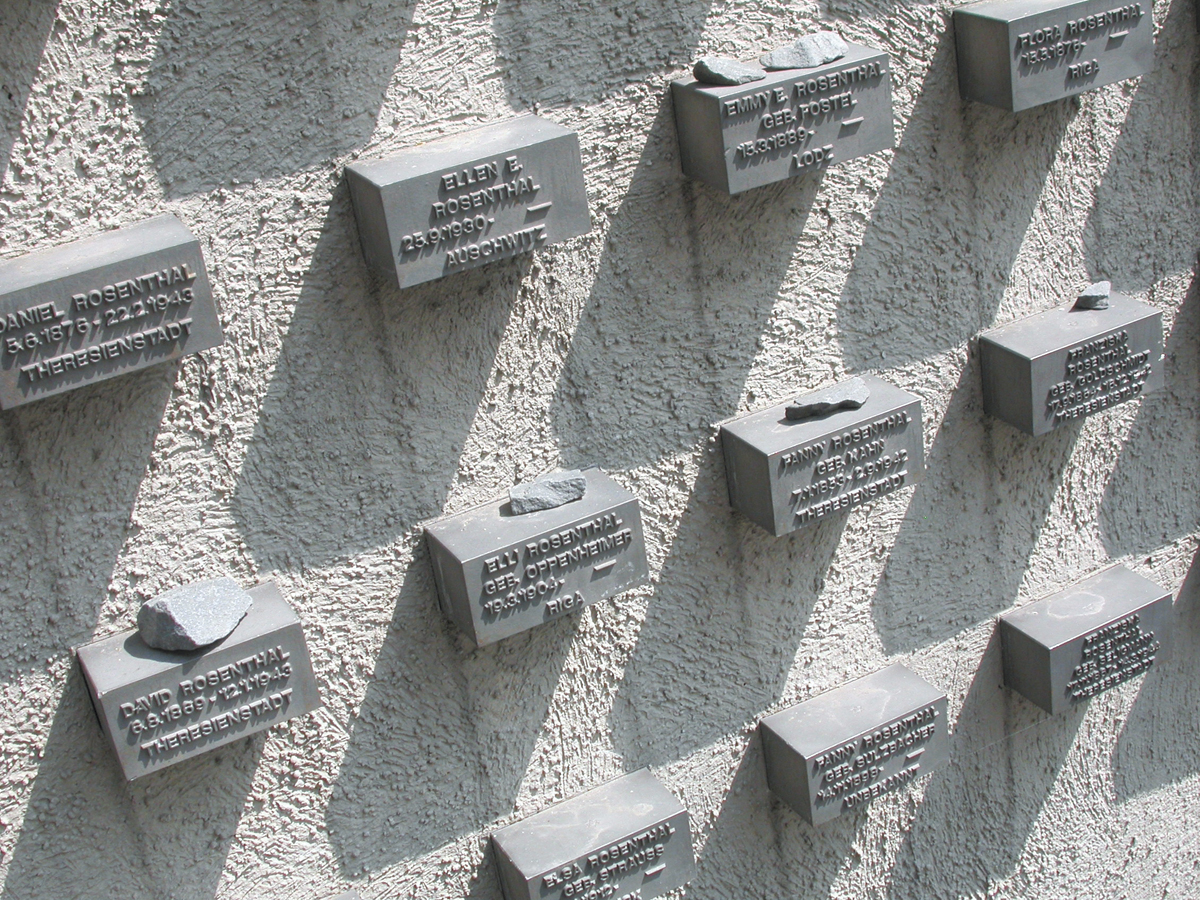
A wall with plaques bearing the names of deported and murdered Jewish people, each with memorial stones.
© #visitfrankfurt, Jessica Jaeckel-Badouin

There is documentary evidence of a Jewish population in Frankfurt as early as 1150. Their settlement, which was under imperial protection, was located in the immediate vicinity of today's cathedral. However, even the privilege of Emperor Frederick II could not prevent the first Frankfurt pogrom in 1241.

The next major clashes took place in 1349, when Jews were blamed for the plague. When the cathedral caught fire, the rumour was spread that Jews had set it on fire, once again unleashing popular anger. More than 200 Jews were murdered.

In 1462, the Jews were forced to live in a ghetto on the outskirts of the city. Around 2,200 people lived there for the next 350 years, crammed into around 160 houses along the 330-metre-long city wall. The lives of the inhabitants were restricted by ordinances.

The most threatening clashes occurred in 1612, when a (Christian) grocer named Vincenz Fettmilch turned against the existing order. The conflicts between the city's lower classes, the council, which was dominated by the patricians, and the Jews intensified and led to Fettmilch and his followers not only locking up the city councillors in the Römer for several days, but also calling for the looting of the Judengasse. The so-called "Fettmilch Uprising" only came to an end with the execution of the rebels in 1616.

In 1796, French troops bombarded the ghetto and destroyed it completely. As many families had to look for accommodation in other parts of the city, the ghetto was effectively abolished in 1796 and legally abolished in 1811.

The Philanthropin, a general education school, was founded in 1804. In 1850, orthodox Jews founded what would later become the Israelite religious community. However, citizenship continued to be denied to Jews in Frankfurt. It was not until 1864 that full equality was achieved. This enabled the Jewish community to grow.

The synagogue on Börneplatz was inaugurated in 1882, the synagogue in Friedberger Anlage in 1907, and the West End Synagogue in 1910. With around 30,000 members, the Jewish community in Frankfurt was the second-largest in all of Germany. Until the Second World War, Frankfurt experienced the most important era of Jewish activity, analogous to Jewish emancipation.

The year 1933 marked, as everywhere in Germany, a deep break in this development. There was a general boycott of shops whose owners were Jewish. Further drastic humiliations and reprisals followed.

In 1938, synagogues were burnt down while homes, doctors' surgeries and shops were looted. More than 2,500 Jewish men were deported to concentration camps.

From 1941, Jews had to wear the yellow star. More than 11,000 Frankfurt Jews were deported to extermination and concentration camps, where they were systematically murdered. Some were able to save themselves by emigrating.

After 1945, only a few hundred Jews returned to their destroyed hometown. The West End Synagogue was rebuilt in 1950. The Jewish Community Centre was opened in 1986.

In the 1990s, the Jewish community grew rapidly due to immigration from the former Soviet Union. Frankfurt once again became one of the most important Jewish centres in Germany.

In 1988, the Jewish Museum Frankfurt opened as the first independent Jewish museum in the Federal Republic of Germany after 1945. In 2020, the museum reopened after extensive expansion with the new ‘Lichtbau’ building.

Guided Tours

of Jewish Frankfurt

Until 1933, Frankfurt had the largest Jewish community in Germany after Berlin. Learn more about former Jewish citizens, their contribution to cultural life and the history of the city on a two-hour themed tour on foot or by bus.

Book your certified guide on the topic of ‘Jewish Frankfurt’ with us. This tour is offered for individual groups as a walking tour or a bus tour.

Jewish Frankfurt on foot

© #visitfrankfurt, Holger Ullmann

Jewish Frankfurt by bus

© Jüdisches Museum Frankfurt, Norbert Miguletz

Großmarkthalle memorial site

© #visitfrankfurt, Jessica Jaeckel-Badouin